
Skip to content

Pediatric and Adolescent Neuropsychological Evaluations

Girl lining up pencils on chair

PHONE

( 301) 351 - 0165

EMAIL

drjen@reesmanneuropsychology.com

A Collaborative, Team Based Approach

Helping Families Understand, Plan, and Move Forward

Children and adolescents develop at their own pace, and concerns about learning, attention, behavior, or development can raise important questions for families. Neuropsychological evaluation provides a clear, objective understanding of how a child’s brain is functioning and how that functioning affects learning, behavior, and daily life. For children who are candidates cochlear implants, these evaluations play a critical role in assessing readiness, supporting surgical planning, and guiding post-implant care.

Dr. Jennifer Linton Reesman is a board-certified Clinical Neuropsychologist with extensive experience evaluating children and adolescents across a wide range of developmental, learning, and neurological concerns. Her approach is thoughtful, collaborative, and grounded in clinical expertise, with a focus on helping families gain clarity and practical next steps. After reviewing results with parents, she often shares findings with children in a developmentally appropriate way, helping them understand their strengths and areas for support.

Families often reach out when something does not feel quite right, even if the concern has been difficult to define. Common reasons for referral include:

  • Questions about attention, learning, or academic progress

  • Concerns about language, memory, or executive functioning

  • Behavioral or emotional challenges affecting school or home life

  • Developmental differences or neurodivergent profiles

  • Neurological conditions or changes following illness, injury, or interventions such as cochlear implants

Many families come after trying multiple strategies or receiving mixed feedback. A comprehensive evaluation can help identify underlying patterns, clarify diagnoses, and explain why certain supports have or have not been effective, giving families actionable guidance for school, home, and daily life.

Neuropsychological evaluation is not therapy

It is an assessment process designed to provide clear, objective information that supports decision making.

Dr. Reesman works closely with parents and, when appropriate, partners with schools, pediatricians, therapists, and other specialists. With family consent, she incorporates information from teachers, school records, and previous providers to ensure the evaluation reflects the child’s everyday experiences and real-world functioning.

In her practice, Dr. Reesman takes care to share information in ways that are developmentally appropriate, helping children understand their strengths and challenges. At the same time, she supports parents in making informed decisions and moving forward with confidence.

Conditions Commonly Assessed

Pediatric and adolescent evaluations frequently address:

Attention Deficit Hyperactivity Disorder

Learning Disabilities, including dyslexia, dysgraphia, and dyscalculia

Autism Spectrum Disorder

Traumatic or acquired brain injury

Epilepsy and seizure related cognitive concerns

Intellectual disability

Developmental delays or atypical developmental profiles

Neurodivergent presentations that do not fit neatly into a single diagnosis

Each evaluation is individualized and guided by the child’s history, current functioning, and referral questions.

Supporting Educational Planning and Intervention

Evaluation results are often used to guide:

School based services and accommodations IEP or 504 planning

Academic interventions and learning supports Treatment planning and referrals

Long term educational and developmental decision making

Families leave the process with clear recommendations and actionable guidance, not just test scores.

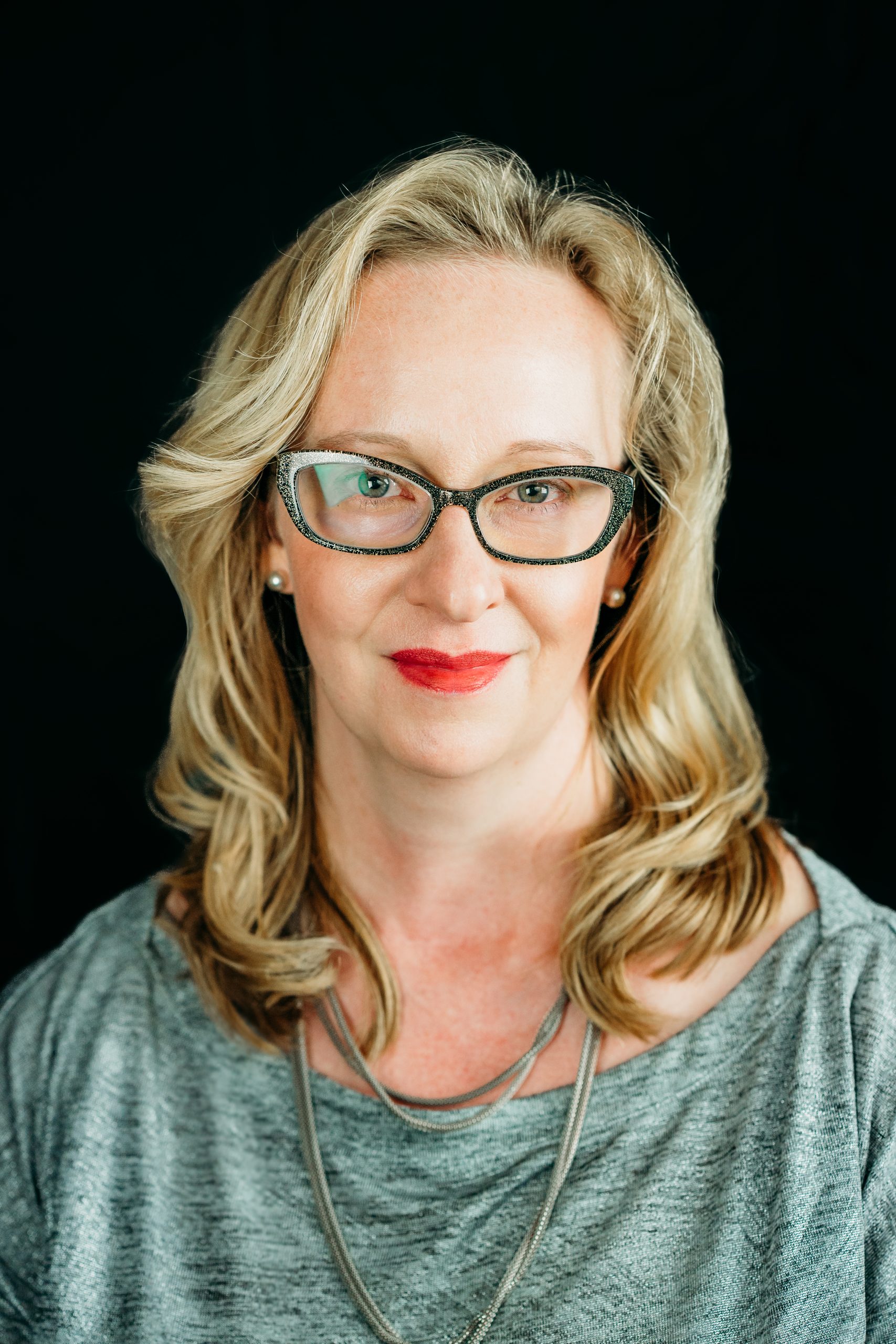
Headshot of a board certified neuropsychologist serving Montgomery County.

Clinical Expertise You Can Trust

Dr. Reesman’s training as a board certified Clinical Neuropsychologist includes specialized experience in pediatric assessment, neurodevelopmental conditions, and neurological disorders. Her work is grounded in evidence based practice and a deep understanding of how brain development affects learning, behavior, and emotional functioning. Families value her ability to translate complex clinical findings into clear, meaningful explanations that support understanding and informed choices.