Deaf and Hard of Hearing Individuals
Deaf and Hard of Hearing Individuals

PHONE
(240) 552-9322
drjen@reesmanneuropsychology.com
Evaluation in Appropriate Communication Modes
Accessible, Culturally Informed Neuropsychological Evaluation
Understanding how the brain supports learning, communication, and daily functioning is important for everyone, including Deaf and Hard of Hearing individuals. Neuropsychological evaluations provide clear, objective insight into cognitive, language, social-emotional, and adaptive functioning, helping guide educational, clinical, and life planning decisions.
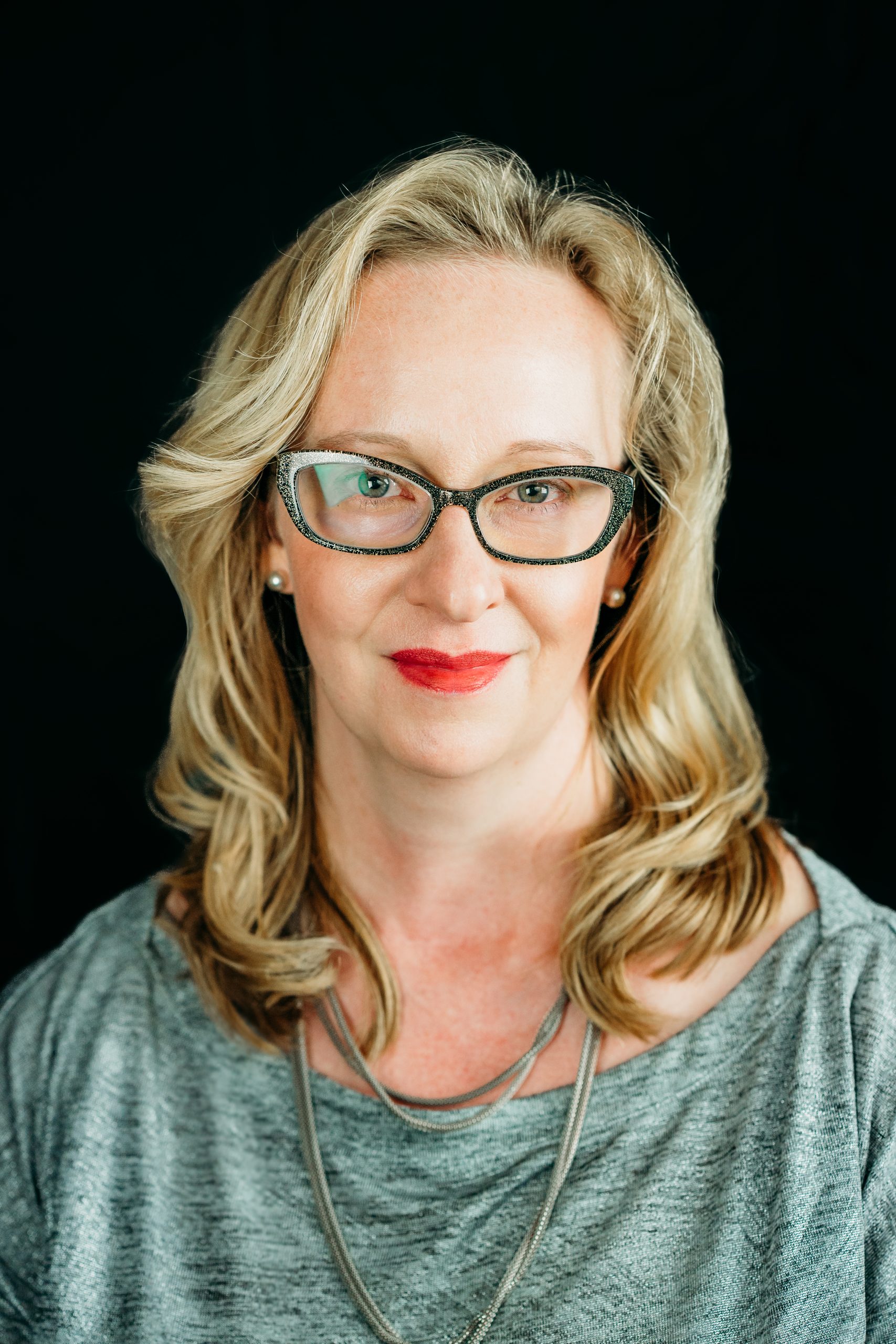
Dr. Jennifer Linton Reesman is one of only five board-certified Clinical Neuropsychologists in the United States with specialized expertise in working with Deaf and Hard of Hearing patients. She has extensive experience conducting evaluations directly in American Sign Language (ASL) or using individualized accommodations, and her practice includes specialized tools and assessment methods not commonly available elsewhere, ensuring highly accurate and culturally informed results.
Evaluations are particularly valuable for children and adults who are candidates for cochlear implants. Dr. Reesman’s assessments can help support decision making, anticipate potential benefits, and guide post-implant care to optimize outcomes.
Her evaluations typically include:
A thorough review of medical, audiological, educational, and prior neuropsychological records
Interviews with patients and caregivers to understand communication, learning, and daily functioning
Age- and culturally-appropriate standardized testing adapted specifically for Deaf and Hard of Hearing individuals
Observations and integration of input from teachers, therapists, audiologists, and other providers when relevant
After the evaluation, Dr. Reesman provides a comprehensive report and schedules a feedback session to review results, answer questions, and discuss next steps. For children, she often shares findings in a developmentally appropriate way, helping them understand their strengths and areas for growth while supporting caregivers in planning, advocacy, and post-implant strategies.
Throughout the process, Dr. Reesman emphasizes collaboration, respect, and patient-centered care. Her goal is to help Deaf and Hard of Hearing individuals and their families gain clarity, access appropriate supports, and make informed decisions with confidence, whether navigating everyday challenges, planning for cochlear implants, or supporting long-term learning and development.
Cultural and Linguistic Considerations
Language access is essential to accurate cognitive assessment.
Evaluations can be conducted directly in American Sign Language (ASL) or spoken English, depending on each person’s primary language and communication preferences. Whenever possible, Dr. Reesman conducts assessments herself rather than relying solely on interpreters, which allows for more accurate clinical observation and interpretation.
Testing materials and procedures are carefully selected and adapted to ensure they are accessible while still following standardized neuropsychological principles. With a full library of specialized assessment tools and extensive clinical experience, Dr. Reesman chooses the measures that are most valid and meaningful for each individual.
When testing is conducted in a person’s primary language, the results are more reliable and provide a clearer understanding of strengths and challenges. Evaluations that do not account for linguistic and cultural factors can risk misinterpreting a person’s abilities or needs.
Dr. Reesman’s work reflects a deep commitment to culturally and linguistically appropriate assessment. She carefully considers language development, educational background, communication history, and the broader context of a person’s learning and cognition, ensuring that each evaluation paints an accurate and meaningful picture of their abilities.
Who May Benefit
Neuropsychological evaluation may be helpful for Deaf and Hard of Hearing individuals across the lifespan, including: Children and adolescents with learning, attention, or developmental concerns Adults seeking diagnostic clarification or cognitive assessment Individuals with neurological conditions such as brain injury, epilepsy, or stroke Families, schools, physicians, or agencies seeking objective assessment in ASL Evaluations are designed to provide clear, practical information that supports planning, understanding, and next steps.
Addressing Common Misconceptions
High quality neuropsychological assessment is both possible and essential for Deaf and Hard of Hearing individuals. Deafness and learning disabilities can and do co occur, and cognitive differences should not be overlooked or misattributed to hearing status alone. This practice is committed to providing careful, evidence based evaluations that recognize Deaf and Hard of Hearing individuals as capable of benefiting from the same level of clinical rigor and expertise offered to hearing populations.
Specialized Experience and Leadership
Dr. Reesman earned her doctoral degree from Gallaudet University and has dedicated her career to advancing accessible assessment and training. She founded and directed a specialized clinic focused on Deaf and Hard of Hearing evaluations for ten years and directed a federally funded grant project to train the next generation of psychologists and neuropsychologists serving this community. Her background combines clinical expertise, academic leadership, and long standing commitment to accessibility in assessment.