About Jennifer Reesman, PhD, ABPP
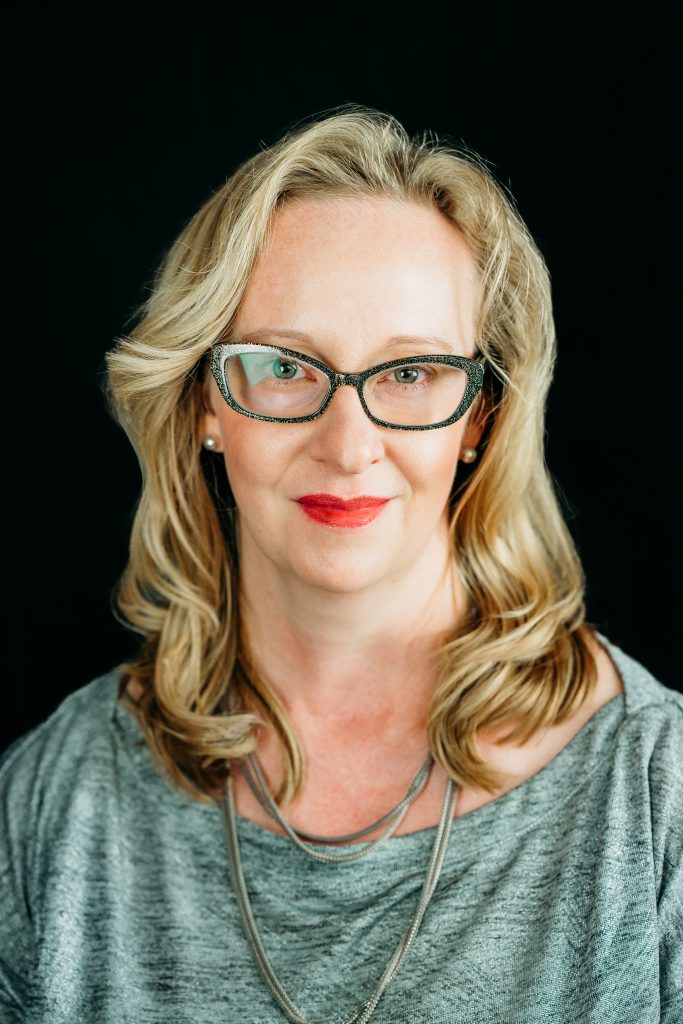
Jennifer Reesman, PhD, ABPP
PHONE
(240) 552-9322
drjen@reesmanneuropsychology.com
AVAILABILITY
Services are available by appointment only.
Director of Neuropsychology & Board-Certified Clinical Neuropsychologist
Jennifer Reesman, PhD, ABPP
Dr. Jennifer Linton Reesman is a board-certified Clinical Neuropsychologist and a recognized leader in pediatric neuropsychology, with specialized expertise in working with children who are Deaf or Hard of Hearing.
She is one of only five board-certified neuropsychologists in the nation fluent in American Sign Language (ASL), allowing her to provide fully accessible evaluations across communication modalities. Her work encompasses comprehensive cognitive, emotional, and behavioral assessments, with a strong focus on translating evaluation results into practical, actionable strategies for families, educators, and clinicians.
Dr. Reesman is widely recognized for her leadership in training and mentorship, particularly for trainees with disabilities. She founded the Deafness-Related Evaluations and More (DREAM) clinic, the nation’s only accredited pre-doctoral internship program preparing psychologists to meet the unique needs of children who are Deaf or Hard of Hearing. Her commitment to education extends from mentoring doctoral students, post-doctoral fellows, and interns, to providing continuing education for professionals both nationally and internationally.
Her research and scholarship focus on pediatric neuropsychology, educational disruption, and accessible assessment practices. She has contributed extensively to peer-reviewed journals, book chapters, clinical guidelines, and professional workshops, addressing topics ranging from concussion recovery and learning differences to diversity and accessibility in clinical training.
Dr. Reesman is a licensed psychologist in Maryland, a diplomate of the American Board of Professional Psychology in Clinical Neuropsychology, and a board-certified subspecialist in Pediatric Clinical Neuropsychology. She is deeply committed to improving clinical care, expanding access to neuropsychological services, and fostering inclusive training environments that prepare the next generation of neuropsychologists to serve diverse populations effectively.